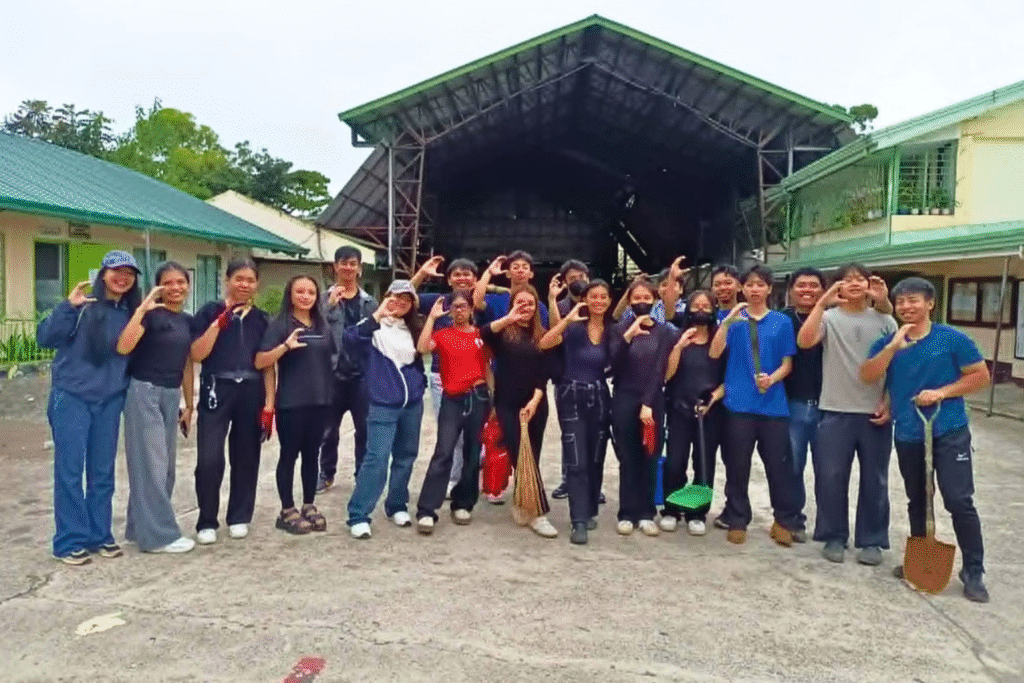
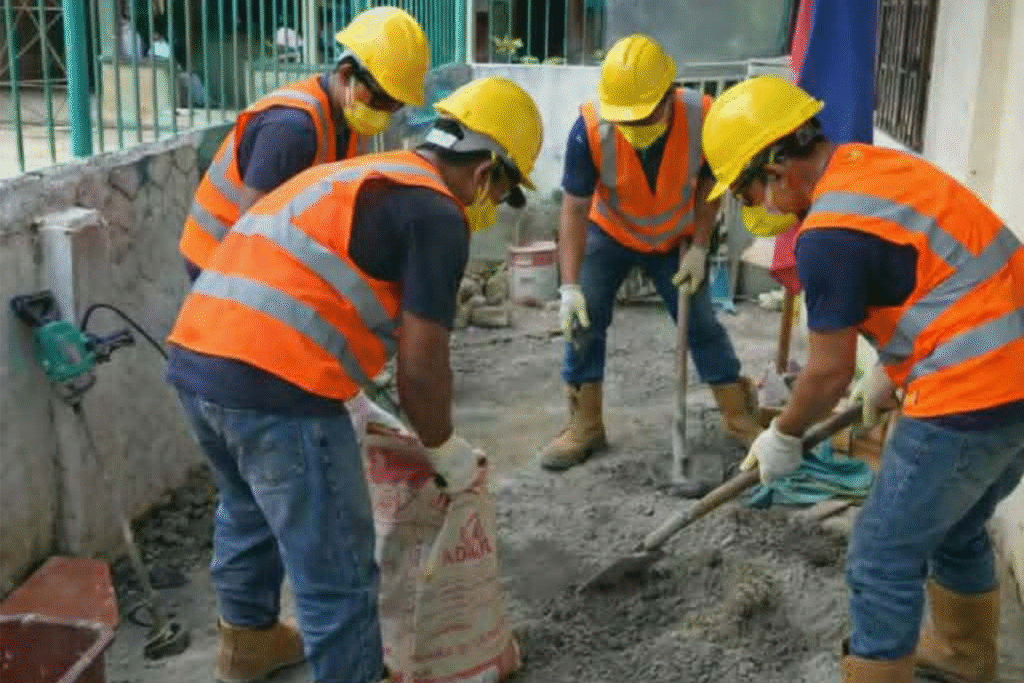
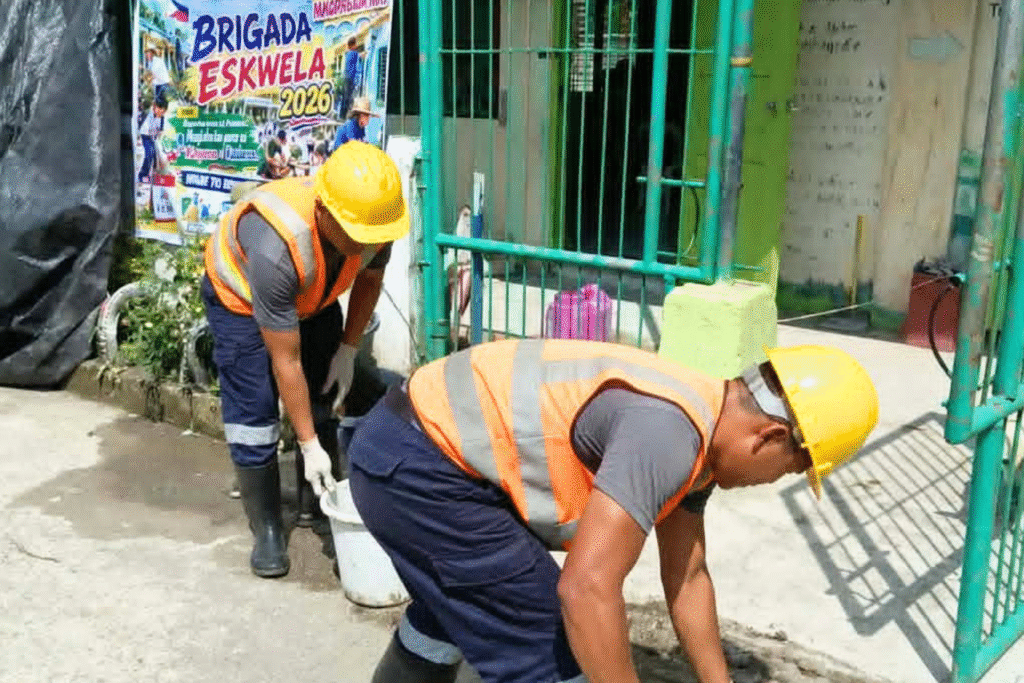
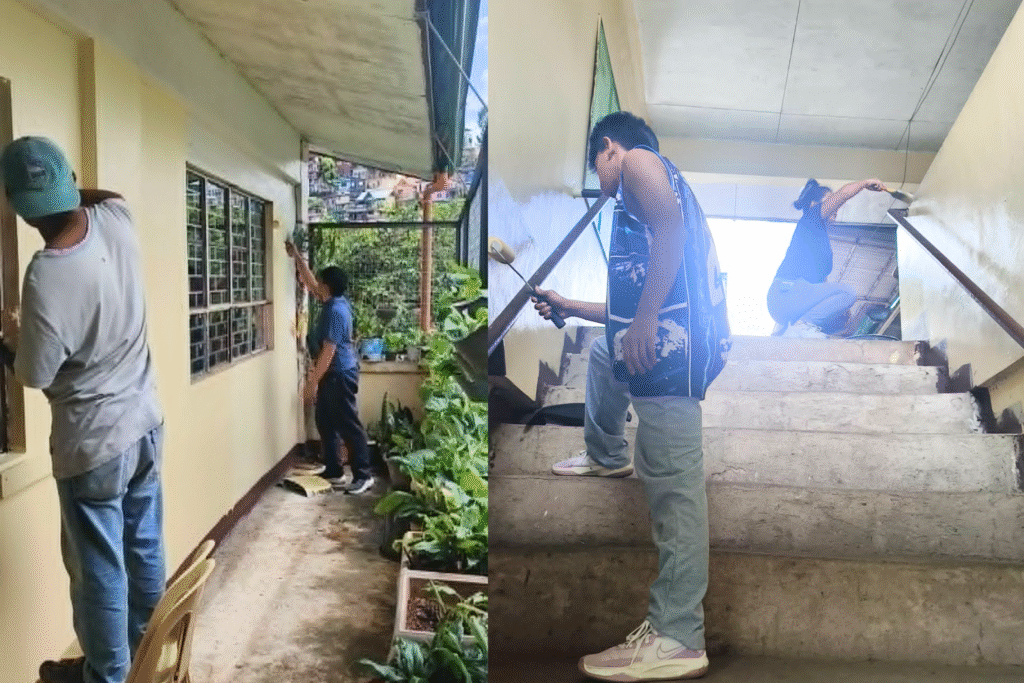
Moving beyond classroom training, a total of 150 scholars and trainers from the TESDA-Cordillera State Institute of Technical Education (CSITE) were deployed across the Cordillera Administrative Region (CAR) from June 1 to 9, 2026, carrying out electrical repairs, facility improvements, and other technical services in public schools in preparation for the opening of classes.
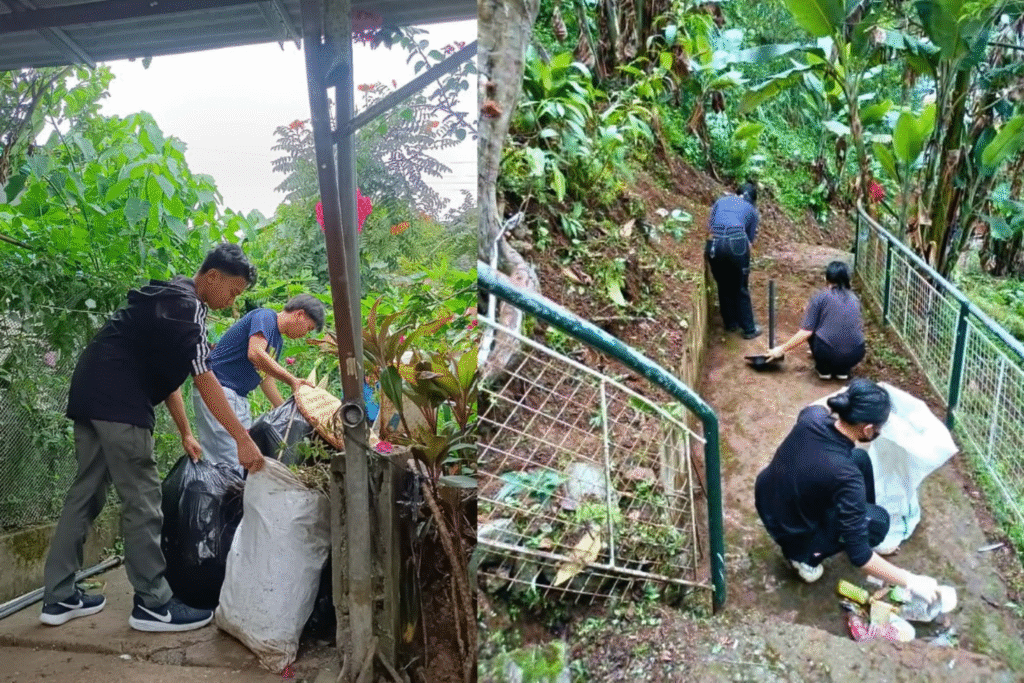
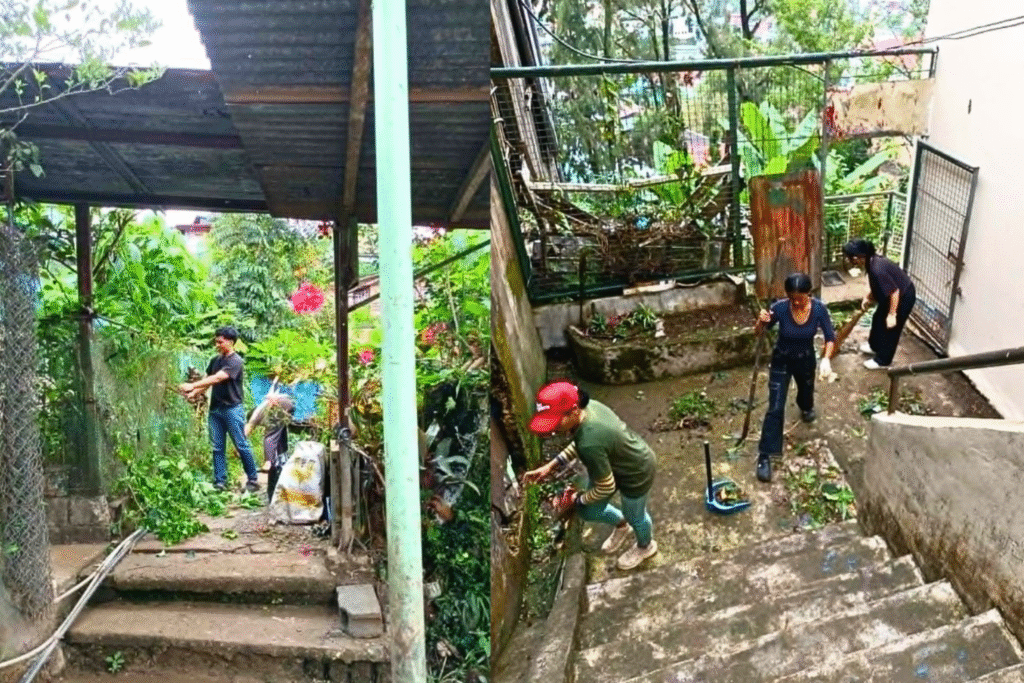
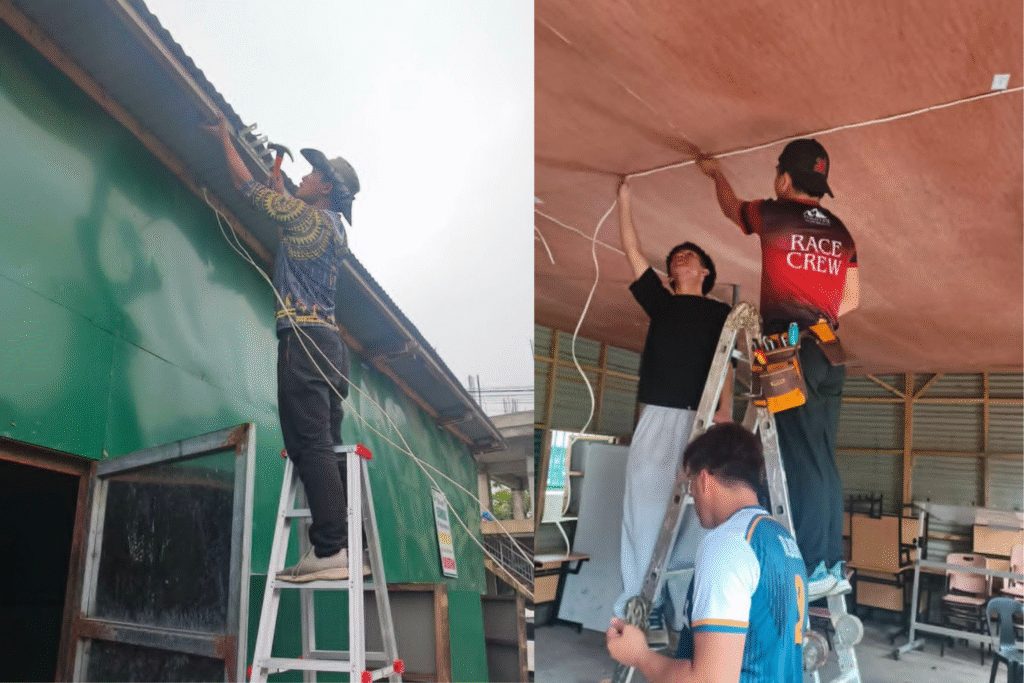
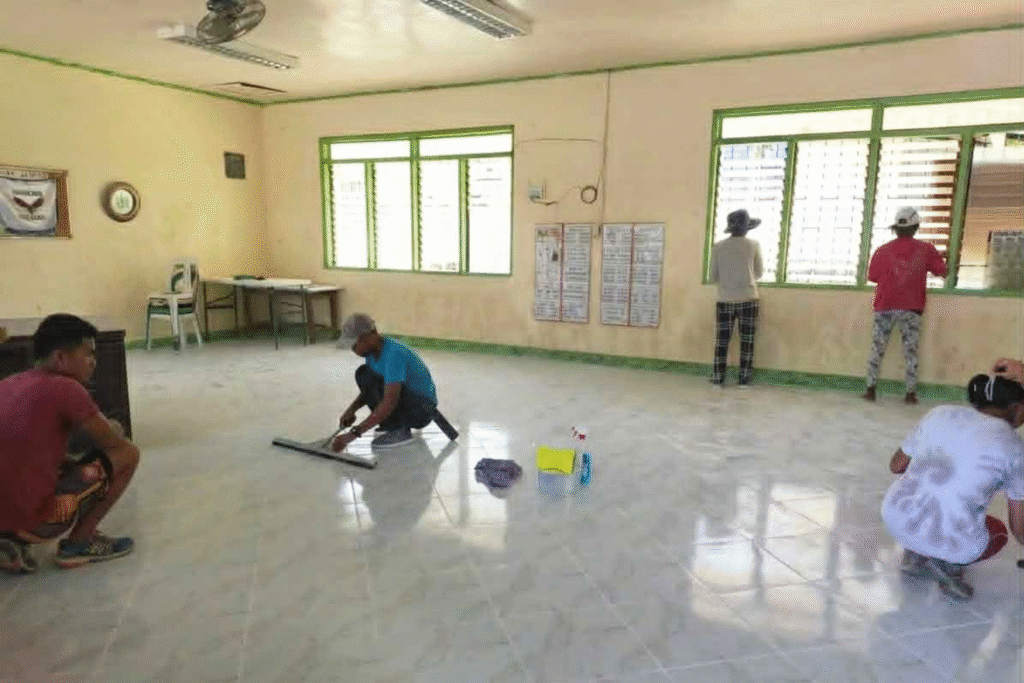
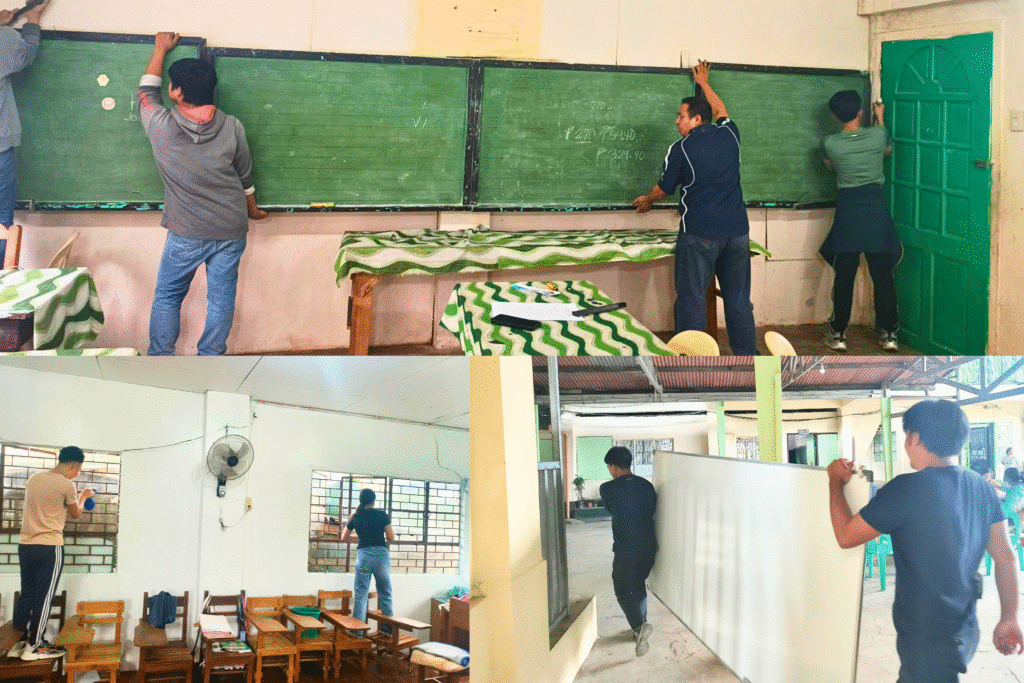
The regionwide initiative formed part of the Department of Education’s Brigada Eskwela 2026 and was undertaken pursuant to TESDA Regional Operations Management Office Memorandum No. 362, s. 2026. Scholars from the CSITE Main Campus in Baguio City and CSITE campuses in Abra, Ifugao, Kalinga, and Mountain Province carried out electrical repairs, carpentry works, sanitation activities, and other facility improvement projects in partner public schools throughout the region.
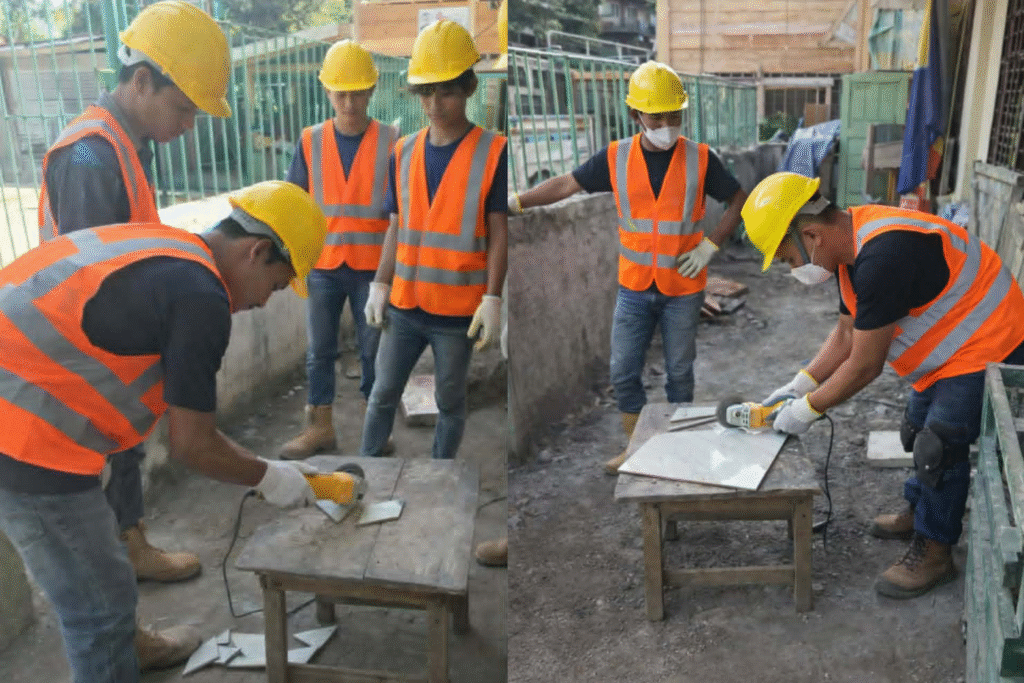
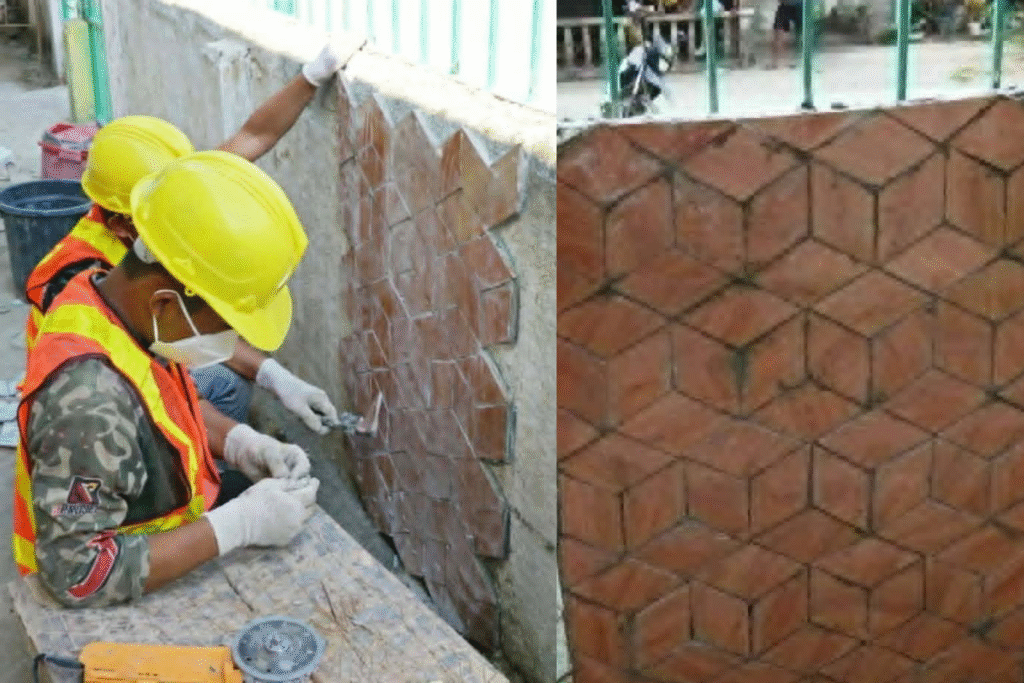
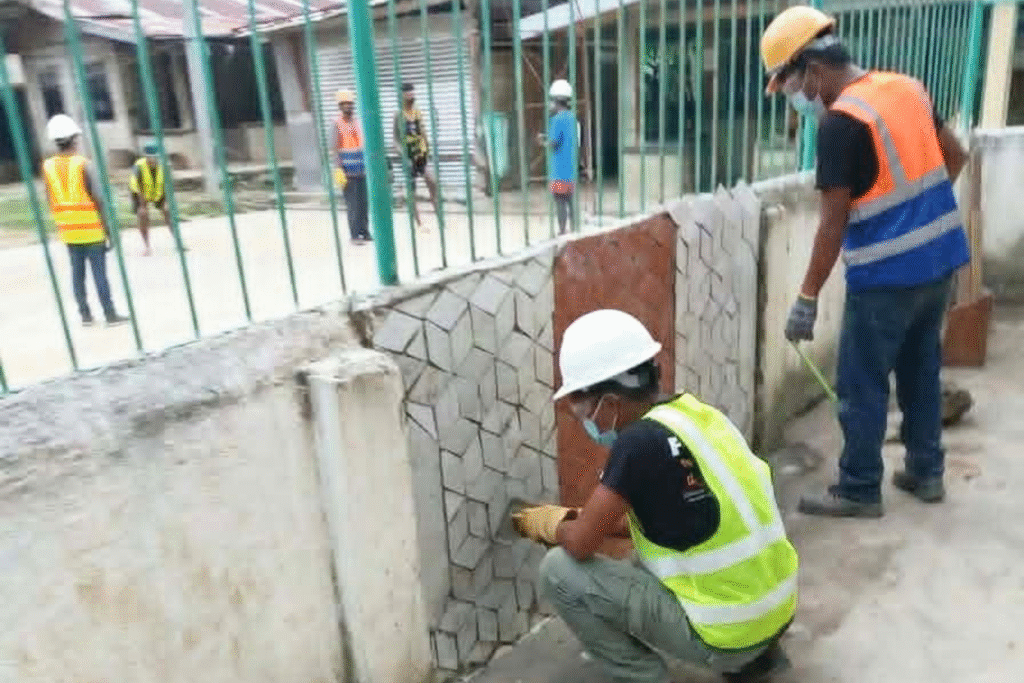
Among the highlights of the deployment was the Green TVET Project at Coddog Elementary School in Pinukpuk, Kalinga. Led by CSITE Kalinga Campus Administrator Sherwin Bali, a 21-member team of Tile Setting NC II scholars repurposed scrap tiles generated from institutional assessment activities and transformed them into durable classroom wall finishes. The project showcased how recycled construction materials can be utilized to address infrastructure needs while promoting sustainable construction practices in public schools.
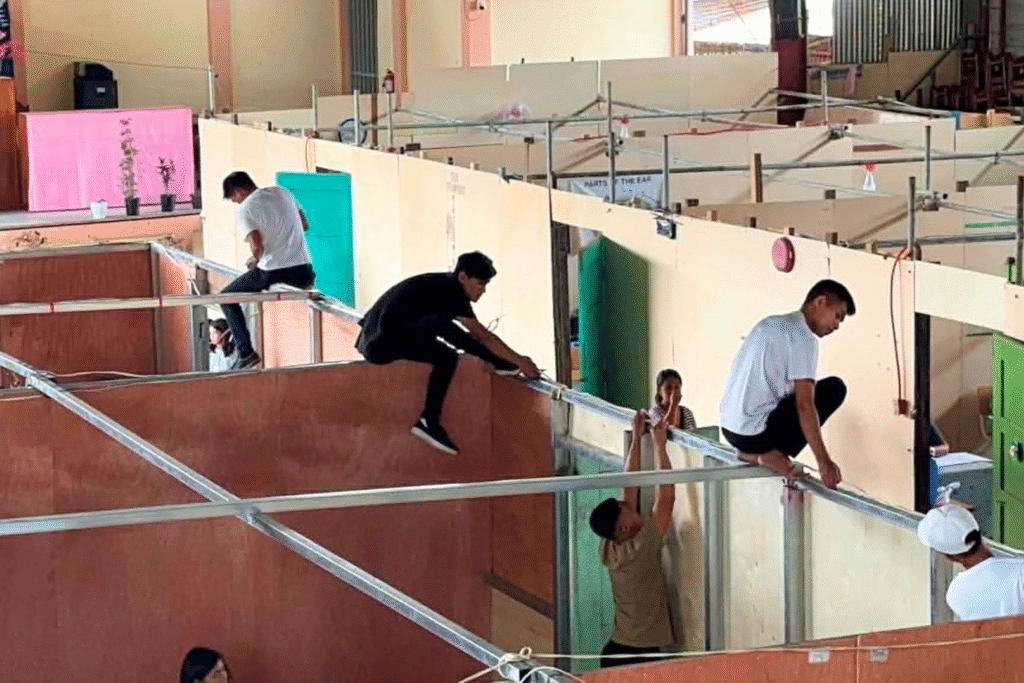
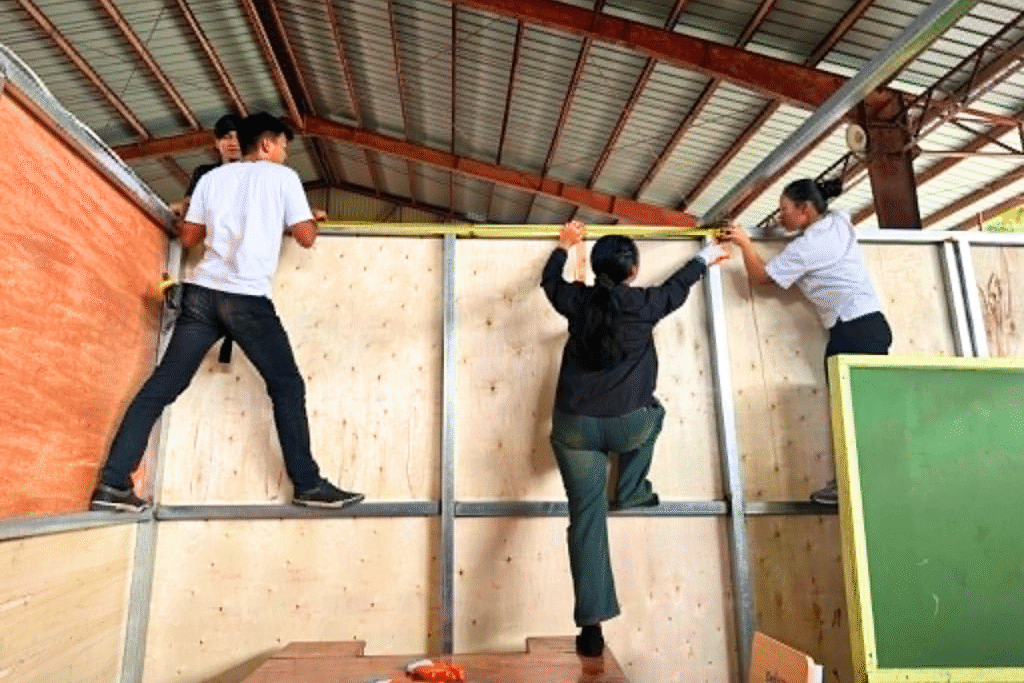
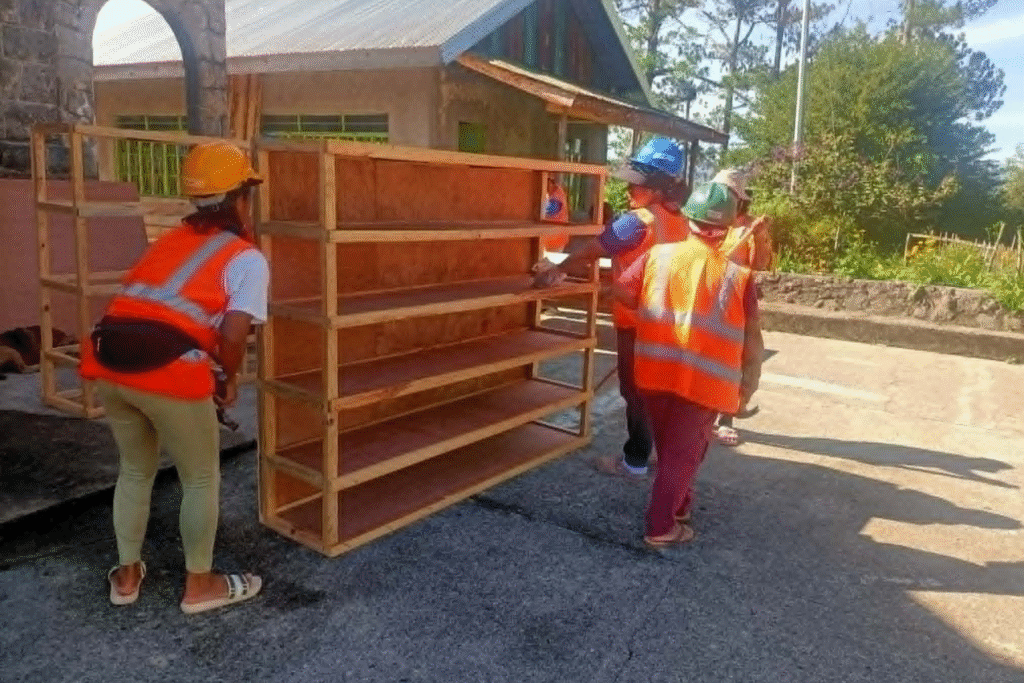
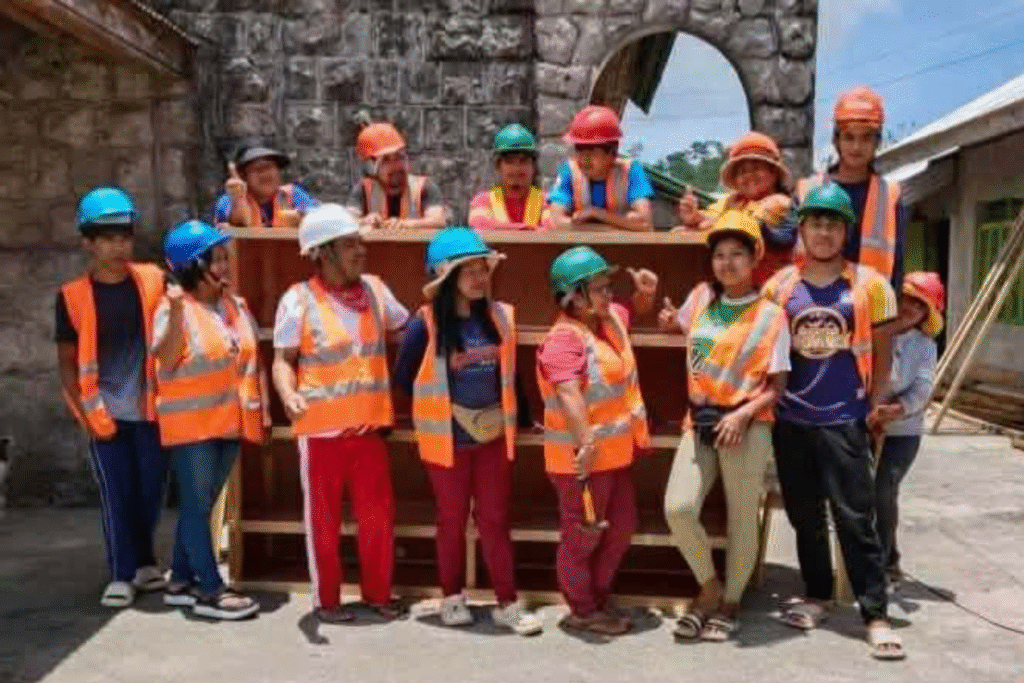
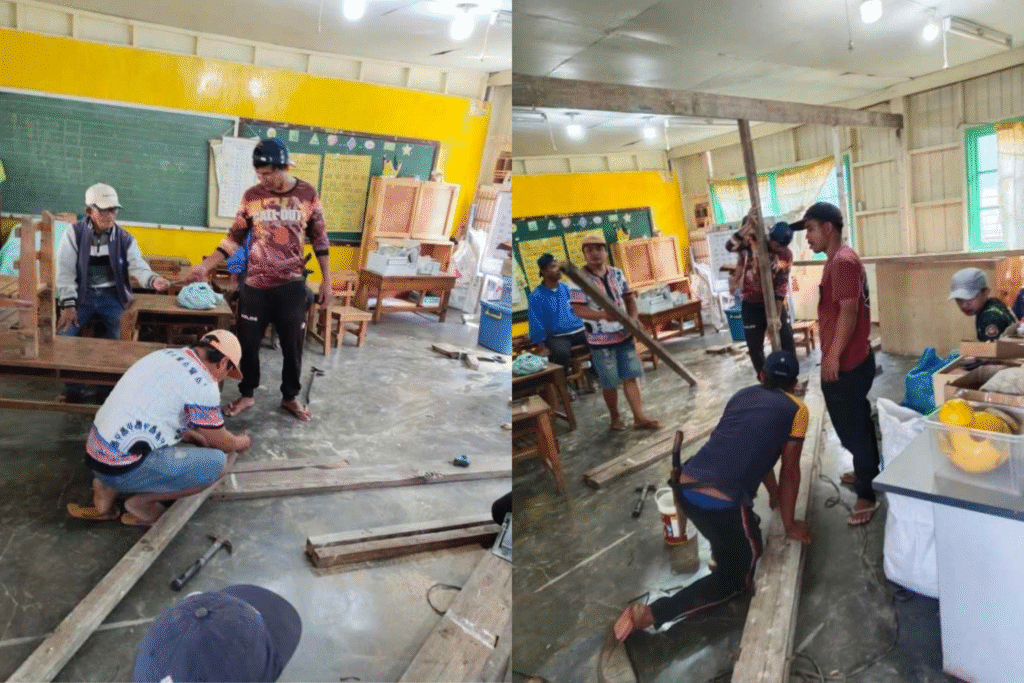
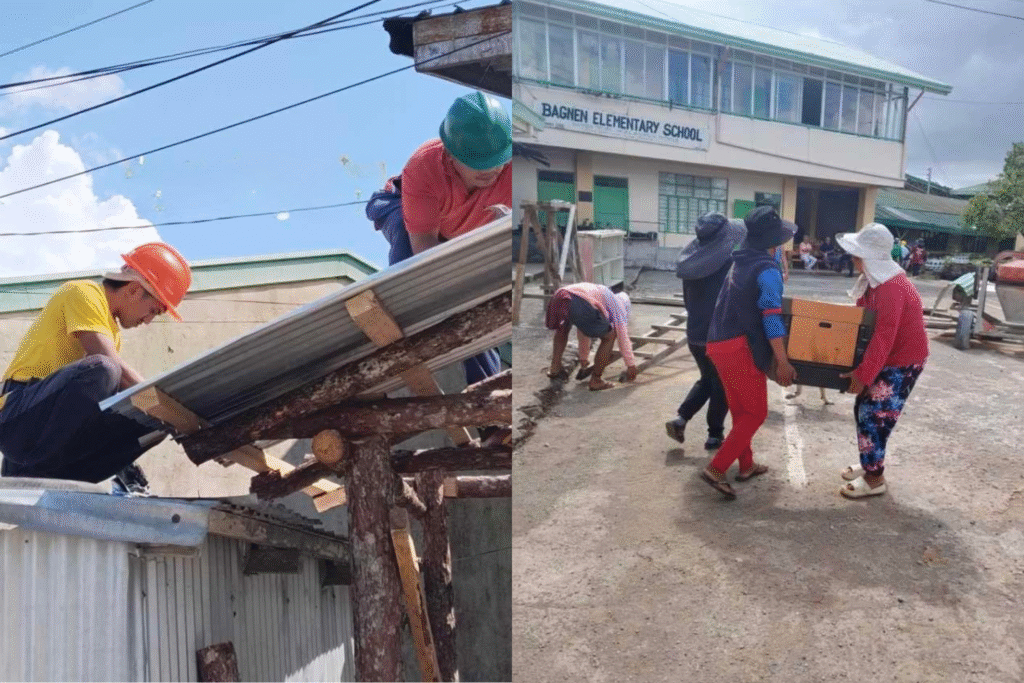
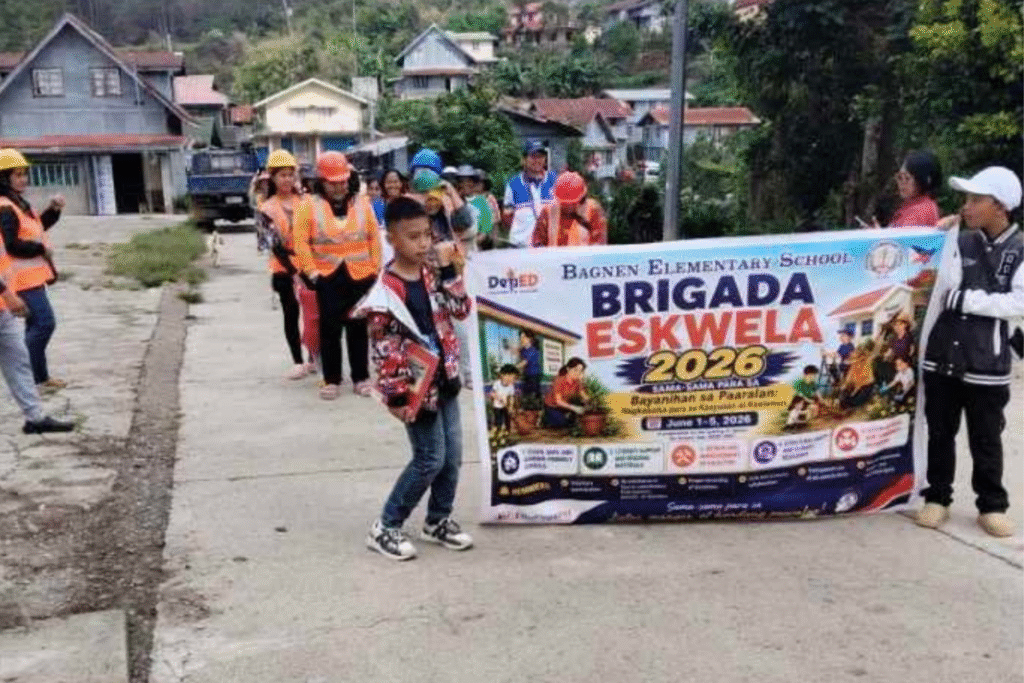
In Mountain Province, a 28-member team composed primarily of carpentry scholars under the Special Training for Employment Program (STEP) repaired damaged facilities and classroom furniture at Bagnen Elementary School. Improvements included the restoration of a classroom divider, repair of the school kitchen ceiling, enhancement of the campus waiting area, and fabrication of bookshelves, cabinets, and mini stools for kindergarten learners.
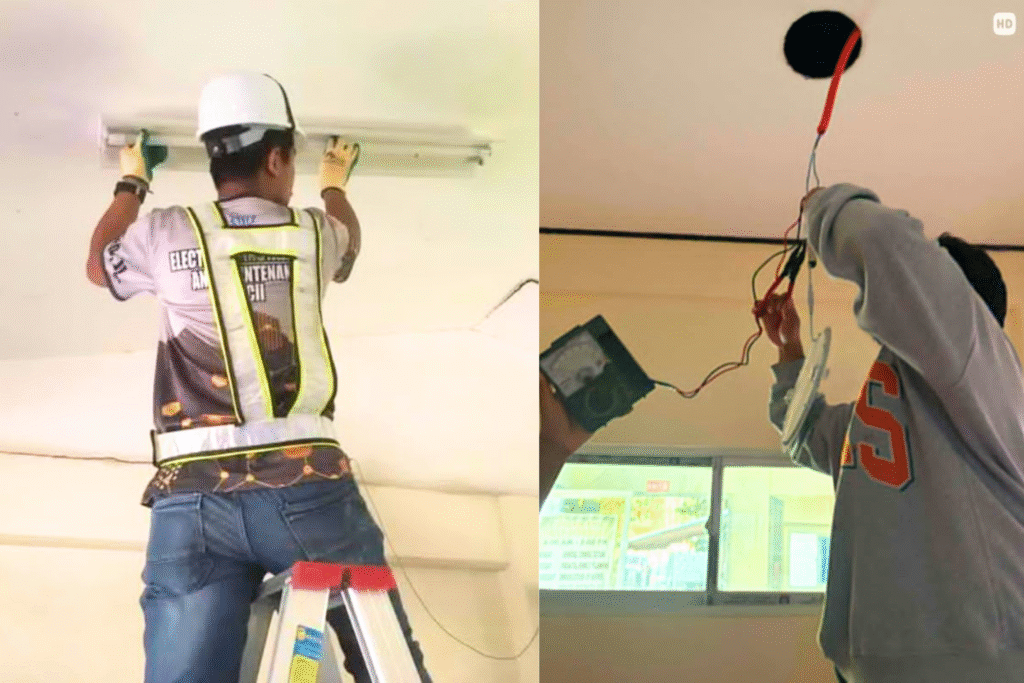
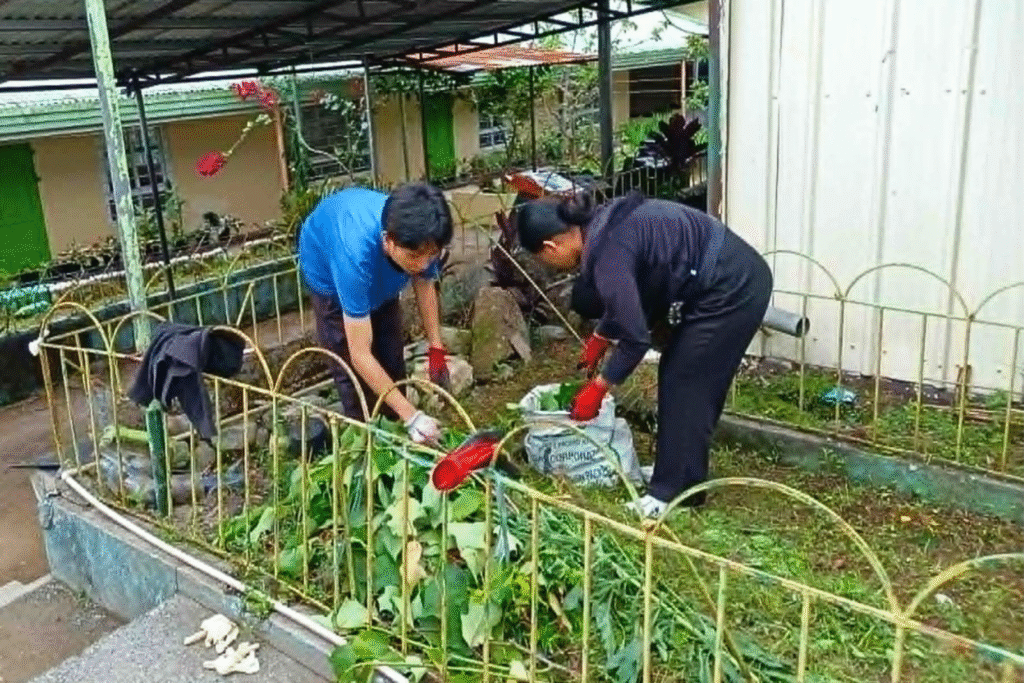
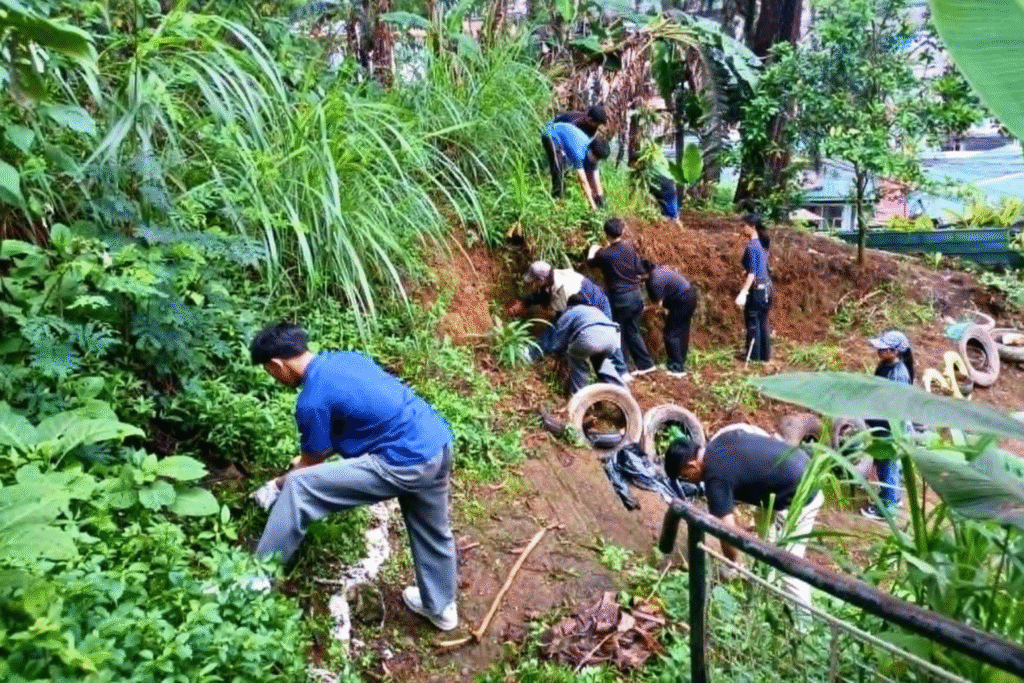
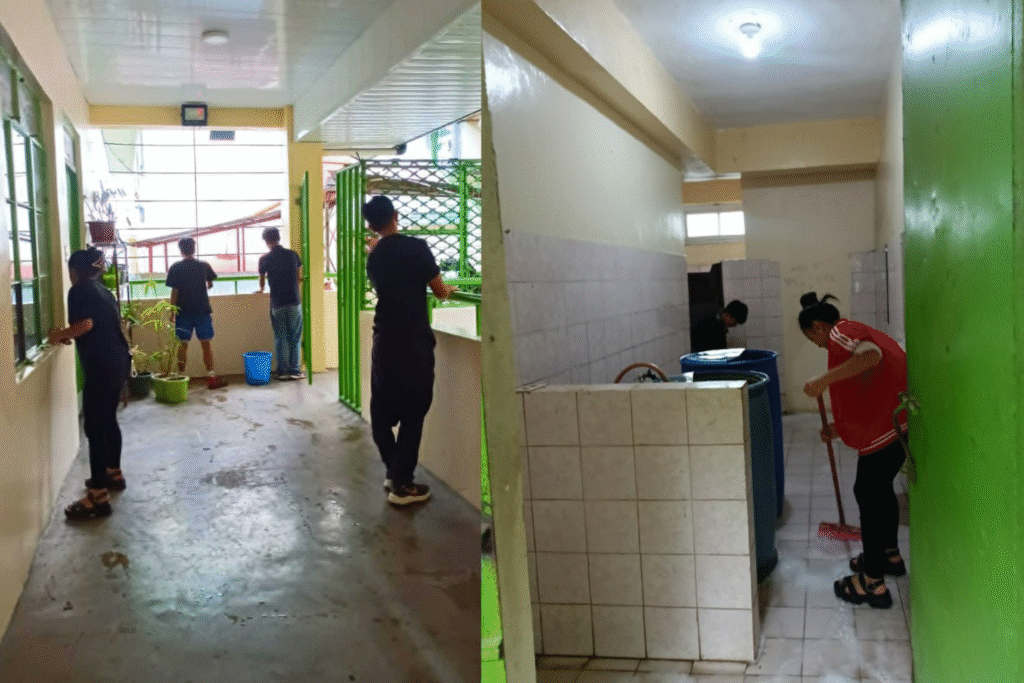
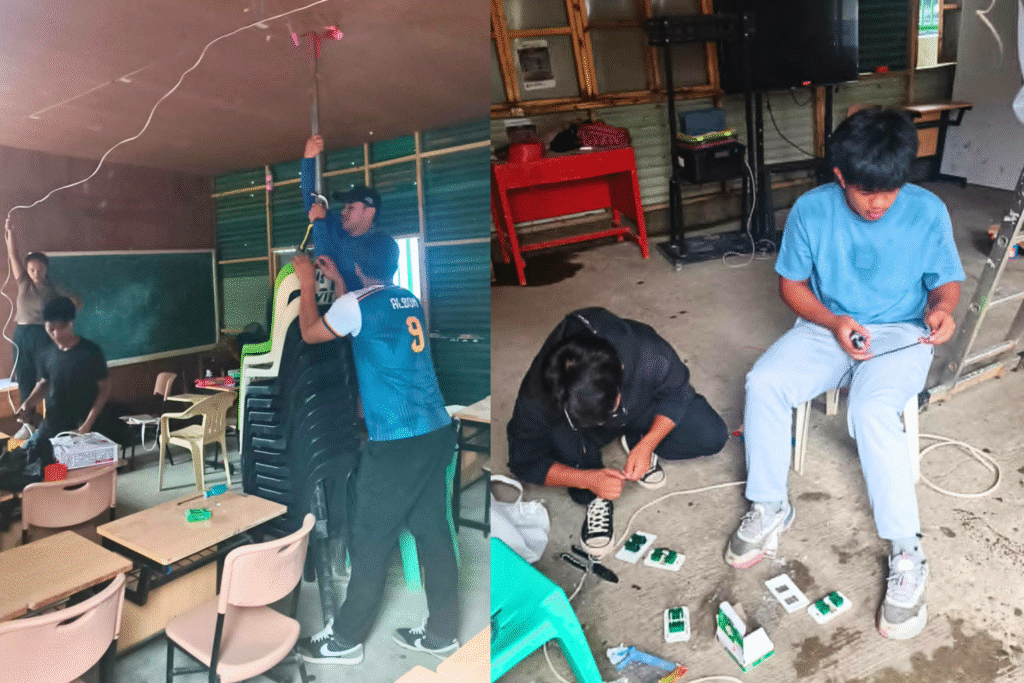
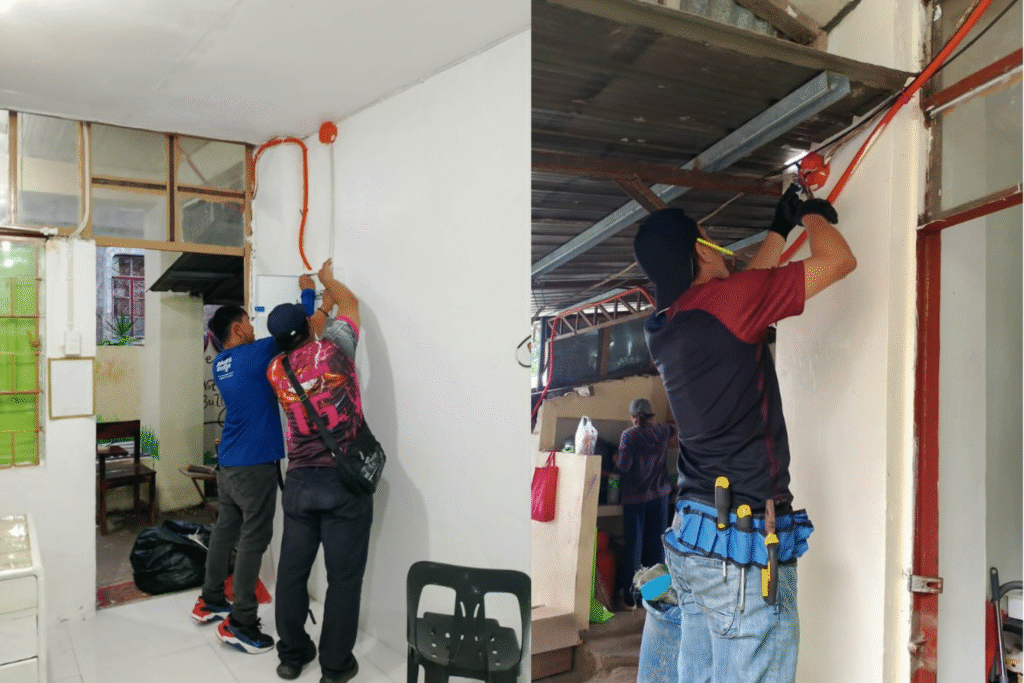
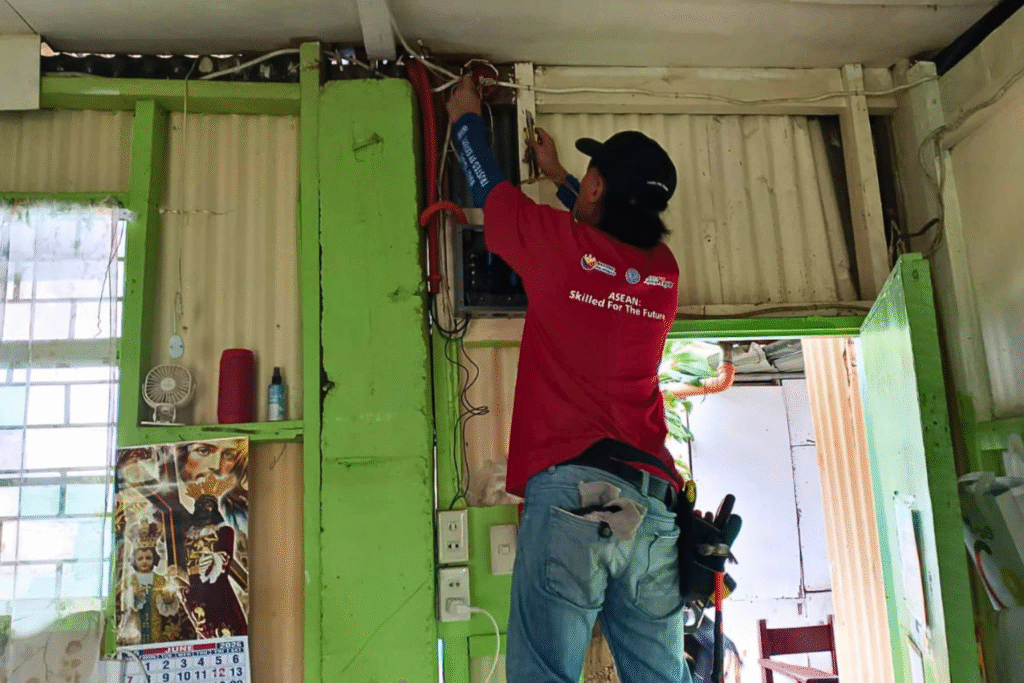
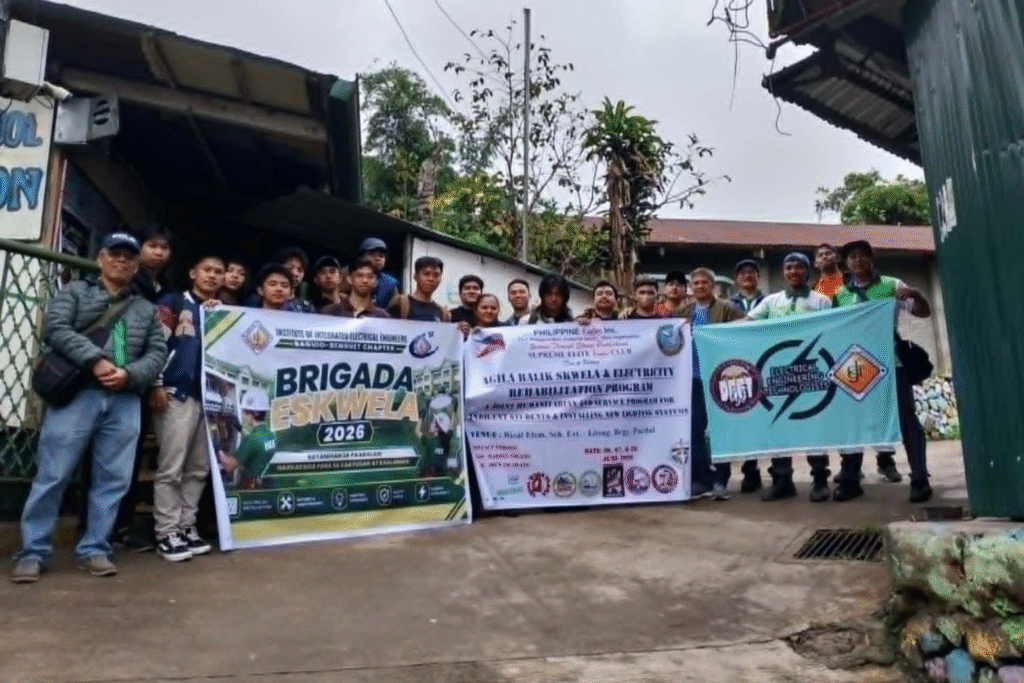
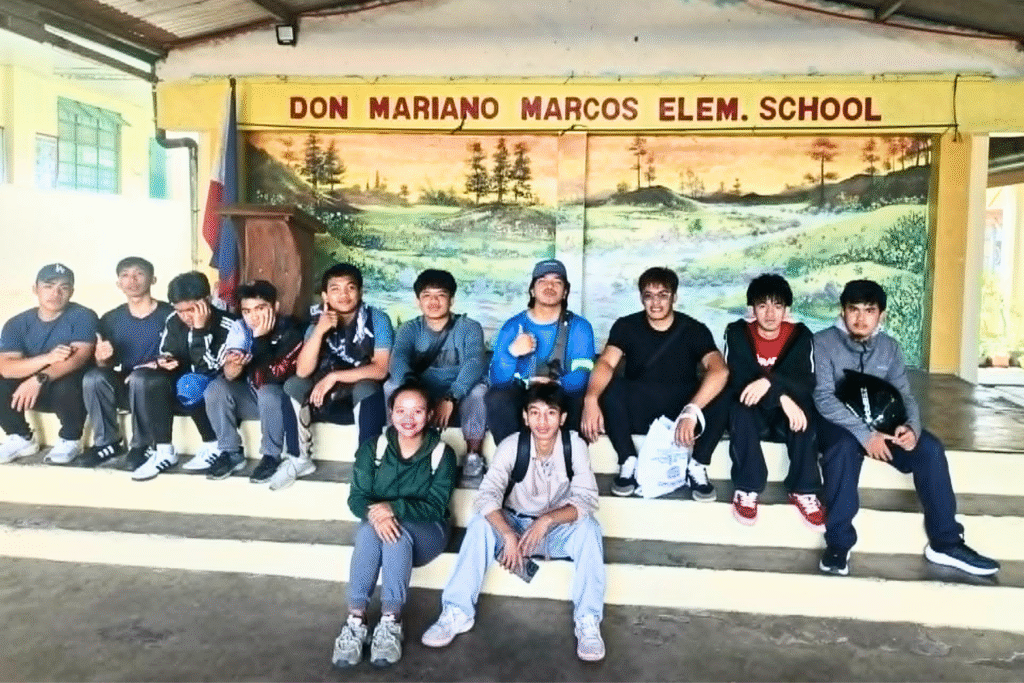
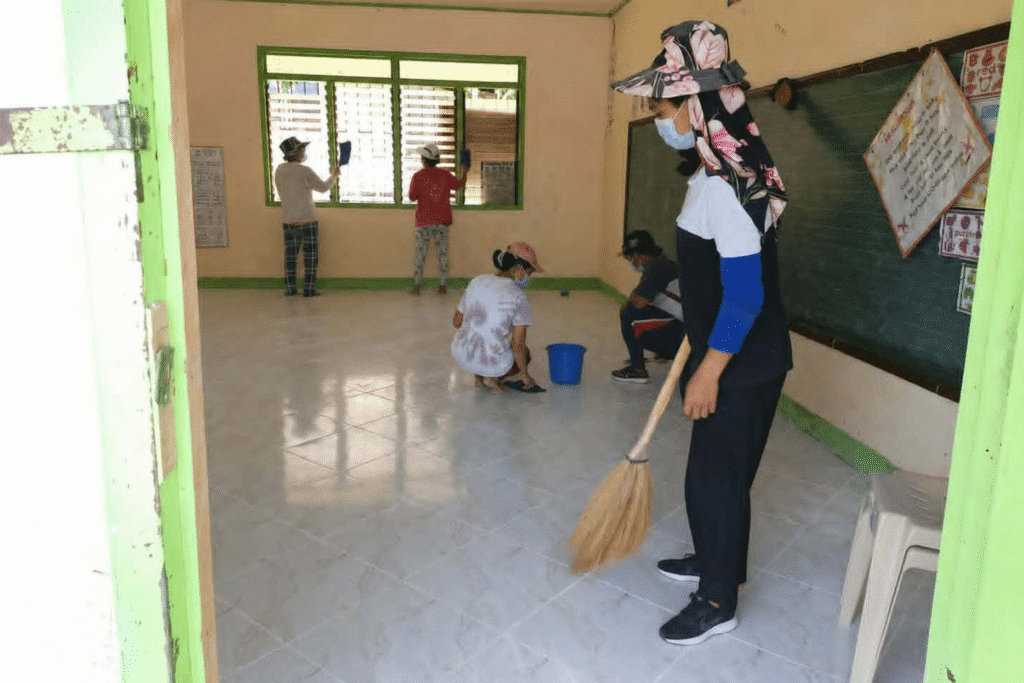
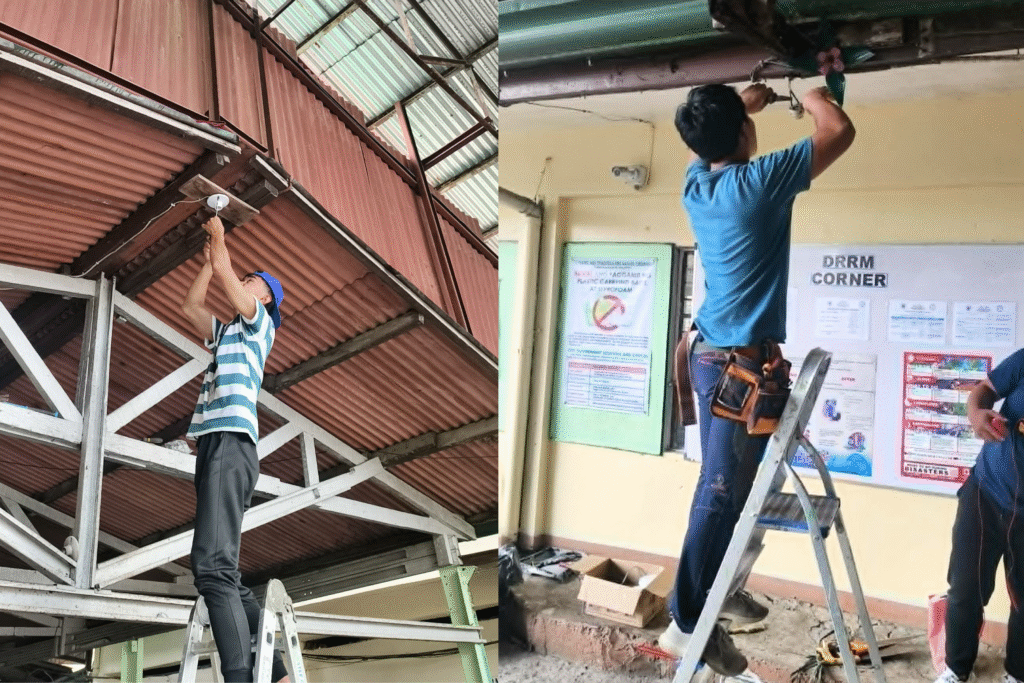
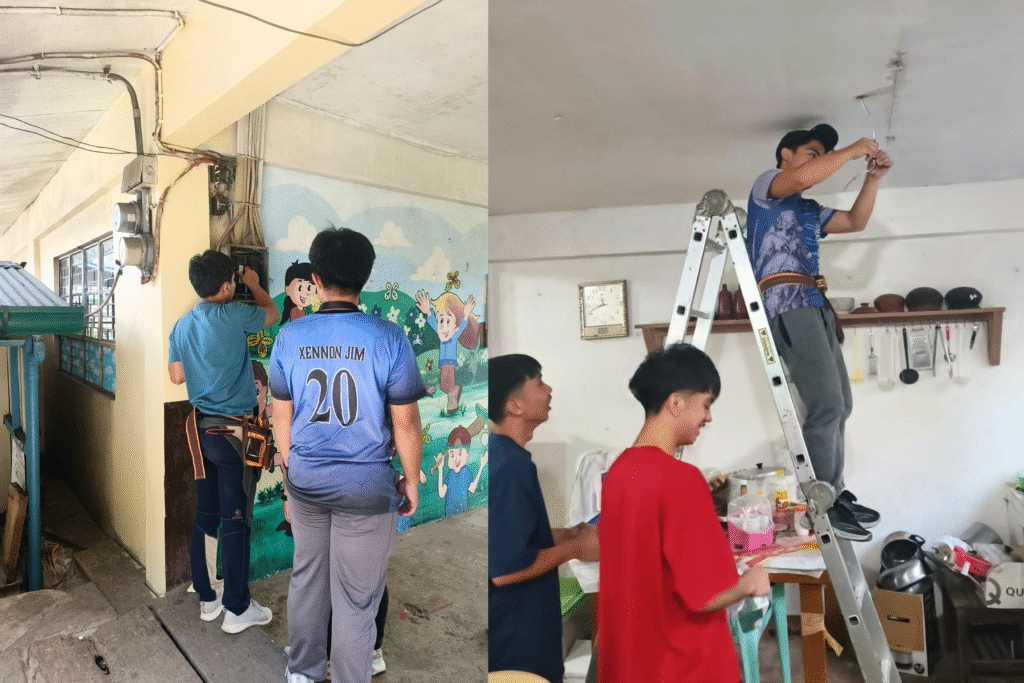
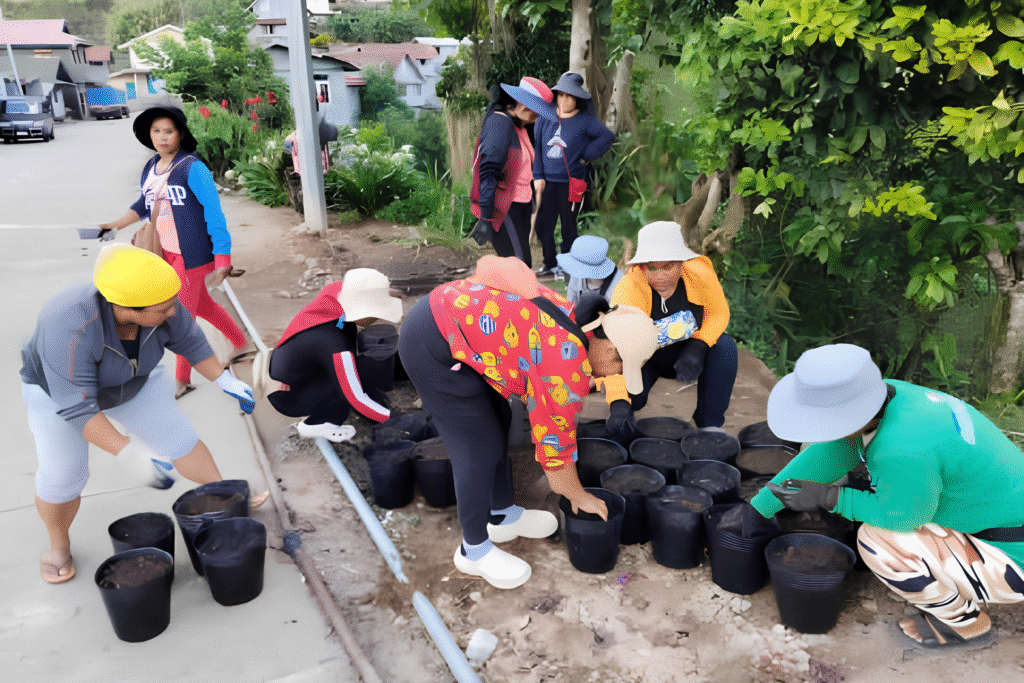
Safety and utility improvements were likewise undertaken in Baguio City and Benguet. At Don Mariano Marcos Elementary School in Upper Brookside, Baguio City, 27 scholars from the Diploma in Mechanical and Electrical Engineering Technology programs executed critical safety inspections, furniture repairs, and extensive rewiring to address potential electrical hazards under the leadership of CSITE Main Campus Administrator Melita Pinic. At the Rizal Elementary School Extension in Liteng, Pacdal, Baguio, 10 electrical engineering scholars replaced aging wiring, lighting fixtures, and circuit breakers in partnership with the Supreme Elite Eagles Club (SEEC) and the Institute of Integrated Electrical Engineers (IIEE)-Baguio Benguet Chapter, concluding the activity with a Balik-Eskwela component that provided school supplies to selected learners. Meanwhile, at Doña Aurora Elementary School, Baguio, culinary arts and hospitality management scholars managed deep-cleaning, disinfection, and small-scale campus greening initiatives.
In Benguet, a team of 12 electrical engineering scholars overhauled the power systems at Virac Integrated School in Itogon, installing energy-efficient lighting fixtures and securing exposed electrical outlets.
In Abra, 25 Electrical Installation and Maintenance (EIM) NC II scholars from the CSITE Abra Campus, together with their trainer, conducted an electrical assessment and estimation activity at Pidigan Central School. The team inspected classrooms, offices, and other school facilities to identify requirements for additional power outlets and lighting fixtures, assessed the condition of existing electrical installations, and provided recommendations to support future electrical improvement projects.
Support also extended to learners with special needs at the Ifugao SPED Center. Twenty-four Electrical Installation and Maintenance NC II scholars, together with their trainer from the CSITE Ifugao Campus, repaired electrical fixtures in five classrooms and restored damaged lighting systems and electrical outlets, improving classroom safety and functionality for students and personnel.
CSITE Executive Director Daisy C. Bungallon emphasized that integrating technical-vocational training with community service strengthens workforce readiness while addressing local development needs. She noted that sustainability-oriented initiatives and community-based technical assistance contribute to safer, more climate-responsive, and learner-friendly school environments.
Beyond preparing schools for the opening of classes, the initiative demonstrated how technical-vocational education can serve as a direct resource for community development by delivering practical solutions to infrastructure, safety, and environmental challenges across the Cordillera region.

#SaTESDAKayangKaya #GanapsaTESDACSITE